Experience West Thumb: Yellowstone Lake's Mesmerizing Geothermal Oasis
Nestled gracefully along the pristine shores of North America's largest alpine lake, Yellowstone Lake, lies one of Yellowstone National Park's most captivating and historically significant geothermal areas: the
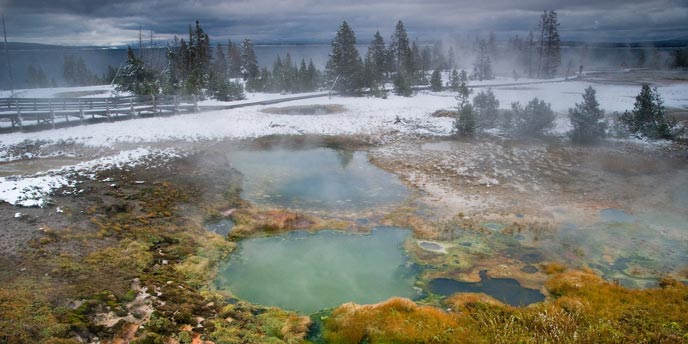
West Thumb Geyser Basin in Yellowstone National Park. This remarkable landscape offers a breathtaking fusion of steaming thermal features set against the shimmering backdrop of the vast lake, creating a visual spectacle unlike any other in the park. It's a place where the Earth's raw power meets serene natural beauty, inviting visitors to step onto boardwalks and witness wonders that have fascinated explorers for centuries.
A Symphony of Steam and Water: The Geological Wonders of West Thumb
The West Thumb Geyser Basin stands out amongst Yellowstone's many geothermal attractions due to its unique lakeside location. Imagine brilliant blue pools, vibrant orange bacterial mats, and the ghostly white outlines of silica terraces, all framed by the expansive, often sapphire-hued waters of Yellowstone Lake. This dramatic setting is a testament to the immense geological forces at play beneath the surface. The basin itself is part of a much larger 150,000-year-old volcanic crater, a smaller, younger caldera nested within the greater Yellowstone Caldera, making its geothermal activity intensely dynamic and visually diverse.
As you stroll along the well-maintained boardwalks, you'll encounter a variety of geothermal phenomena. The deep, often unfathomable clarity of pools like the appropriately named
Abyss Pool mesmerizes, its intense blue hinting at extreme depth. Nearby, the famous
Fishing Cone, a former fishing spot where anglers could catch a fish and cook it without removing it from the hook, now sits partially submerged in the lake, a silent sentinel emitting steam. Other notable features include the colorful
Black Pool, which alternates between periods of deep blue and darker, cooler states, and numerous mud pots that gurgle and belch, their thick, painterly mud displaying an array of colors from pure white to various shades of yellow, pink, red, and violet. The vibrant colors seen throughout the basin are created by thermophilic (heat-loving) bacteria, each thriving at different temperatures and painting the landscape in an ever-changing palette.
West Thumb's Enduring Legacy: A Glimpse into Yellowstone's History
Beyond its visual grandeur, the West Thumb Geyser Basin holds a profound historical significance. It was the very first feature of Yellowstone National Park to be documented in a published account. Back in the 1820s, a trapper named Daniel T. Potts penned a letter to his brother, describing his experiences in this extraordinary area. His vivid descriptions, published in the Philadelphia Gazette in 1827, painted a picture of "hot and boiling springs," "most beautiful fine clay" resembling a "mush pot" that threw "particles to the immense height of from twenty to thirty feet," and even "tremendous trembling" of the earth accompanied by thunderous explosions. This northern section of West Thumb, where Potts witnessed these wonders, is still known today as "Potts Basin," a fitting tribute to its earliest chronicler. To delve deeper into this fascinating period, explore
West Thumb Geyser Basin: Yellowstone's First Documented Wonder.
Decades later, in 1869, the Folsom-Cook-Peterson Expedition, the first scientific exploration of Yellowstone, further documented the West Thumb area. David Folsom's account detailed hundreds of springs along the shore, extending both inland and into the lake. He described water with a "pale violet tinge" so clear that "small objects fifty or sixty feet below the surface" could be discerned, alongside mud springs that "threw mud to the height of fifteen feet." These early accounts underscore the enduring power and beauty of the basin, little changed over nearly two centuries.
Historically, the West Thumb served as a crucial hub for early visitors. Arriving by stagecoach from the Old Faithful area, travelers had the option to continue their dusty journey overland or board the elegant steamship "Zillah." This vessel provided a more comfortable passage across Yellowstone Lake to destinations like the historic Lake Hotel, with its dock conveniently located near the basin's south end. In previous eras, the West Thumb area also hosted a significant amount of infrastructure, including a large campground, cabins, a photo shop, a cafeteria, and even a gas station, positioned remarkably close to the geyser basin itself. Today, much of this development has been sensitively removed or relocated, allowing the natural landscape to reclaim its prominence and ensuring the protection of this delicate ecosystem.
Navigating West Thumb: Tips for an Unforgettable Visit
Visiting the
West Thumb Geyser Basin in Yellowstone National Park is an experience that blends history with awe-inspiring natural beauty. To make the most of your journey, consider these practical tips:
*
Stay on the Boardwalks: The geothermal features are not only fragile but also extremely hot and potentially dangerous. Always remain on the designated boardwalks to protect both yourself and the delicate environment.
*
Best Time to Visit: Early mornings or late afternoons often provide the best lighting for photography, creating stunning reflections on the lake and reducing crowds. The steam also tends to be more dramatic in cooler temperatures.
*
Photography Opportunities: The contrast between the vibrant thermal features and the vast expanse of Yellowstone Lake makes for incredible photographs. Look for reflections, capture the rising steam, and focus on the intricate colors of the bacterial mats.
*
Layer Up: Even in summer, temperatures can fluctuate dramatically in Yellowstone. Dressing in layers will ensure your comfort throughout the day.
*
Explore the Unique Features: Don't just rush through. Take time to observe the nuances of each feature, from the subtle bubbling of a mud pot to the deep blue of a hot spring. Many of West Thumb's iconic features, including its unique lakefront geysers and mud pots, are discussed in more detail at
Discover West Thumb: Yellowstone's Unique Lakefront Geysers & Mud Pots.
*
Respect Wildlife: While rare directly within the basin, Yellowstone is wild. Keep a safe distance from any wildlife you encounter.
*
Combine with a Lake Excursion: Consider complementing your geyser basin visit with a scenic boat tour on Yellowstone Lake, offering a different perspective of the area and its vastness.
The West Thumb Geyser Basin is more than just a collection of hot springs; it's a vibrant, living testament to Yellowstone's volcanic heart and a pivotal chapter in the park's storied past. Its distinctive blend of geothermal wonders set against the backdrop of Yellowstone Lake makes it an essential stop for any traveler seeking to truly experience the magic of this national treasure.
In conclusion, the
West Thumb Geyser Basin in Yellowstone National Park offers a truly mesmerizing and unique experience. From its stunning visual harmony of vibrant thermal features meeting the serene lake to its deep historical roots as the first documented wonder of Yellowstone, it captivates visitors on multiple levels. Whether you're drawn by the geological spectacle, the echoes of early explorers, or simply the unparalleled beauty of steam rising from crystal-clear pools, West Thumb promises an unforgettable journey into the heart of Yellowstone's wild splendor. Plan your visit carefully, embrace the wonder, and prepare to be enchanted by this extraordinary geothermal oasis.